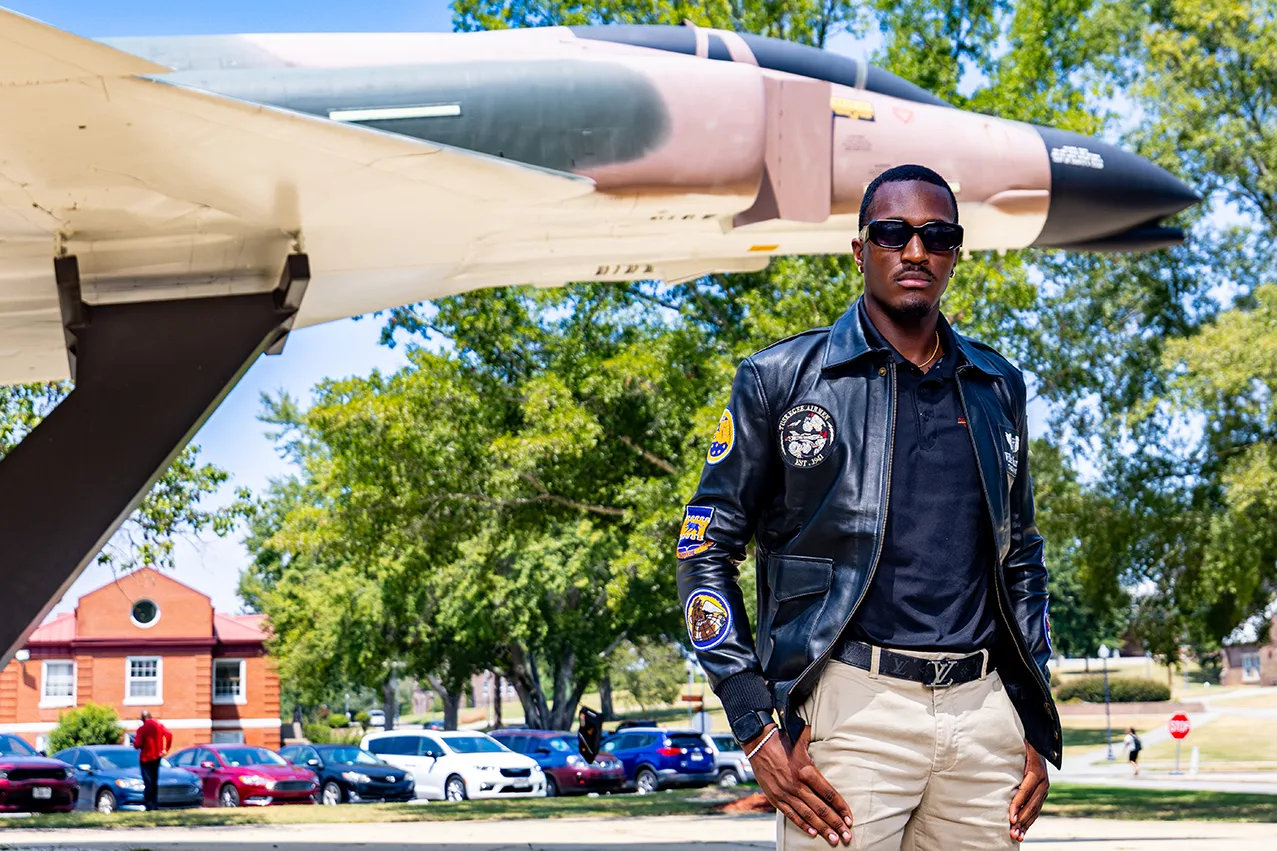
Thirteen aviation students at Tuskegee University received bomber jackets during a ceremony Wednesday, one year after the university launched its Aviation Science Program. The recognition was tied to something concrete: each student had earned an FAA Aeronautical Rating while enrolled, a credential that carries weight in a commercial aviation industry projecting significant pilot shortages over the next two decades. The milestone is modest in scale but meaningful in direction.
The Aviation Science Bachelor of Science degree is offered through Tuskegee's Aerospace Science Engineering Department, the second largest department in the engineering college. That institutional footing matters. Programs housed in established engineering infrastructure tend to have stronger retention pipelines, employer relationships, and access to equipment than those built from scratch. Tuskegee is not building from scratch, and that distinction is worth noting when evaluating the program's long-term prospects.
Workforce analysts and community business reporters at The Charlotte Post and The Durham Sun have tracked a persistent gap in aviation careers among Black professionals, both in the Carolinas and nationally. The pipeline problem is not simply one of interest but of access, geographic proximity to training facilities, and the cost of flight hours. A credentialed program at an HBCU with Tuskegee's aviation legacy addresses several of those barriers at once, without requiring students to relocate to predominantly white institutions or fund training independently.
The bomber jacket ceremony carries symbolic weight that the university did not need to manufacture. The original Tuskegee Airmen wore such jackets during World War II, and their record in combat directly challenged military and civilian assumptions about Black pilots. Connecting current students to that history through a tangible, earned item is the kind of institutional memory that sustains professional identity. It is also, practically speaking, a retention and recruitment tool that costs relatively little and communicates belonging.
Whether the program scales depends on several factors that one graduating cohort cannot yet answer: employer engagement, placement rates, the university's ability to fund simulator time and aircraft access, and whether FAA rating completions hold steady or grow. One year is a beginning, not a verdict. What Wednesday's ceremony established is that the program is functional, that students are meeting federal credentialing standards, and that Tuskegee is serious about aviation as a career pathway rather than a legacy footnote. For communities across the Carolinas watching where workforce development dollars and institutional energy flow, that is a development worth following closely.